Digital Art Gallery Celebrating the Race Relations Act Launches Across the Country
The event is part of the Bristol Bus Boycott 360 programme
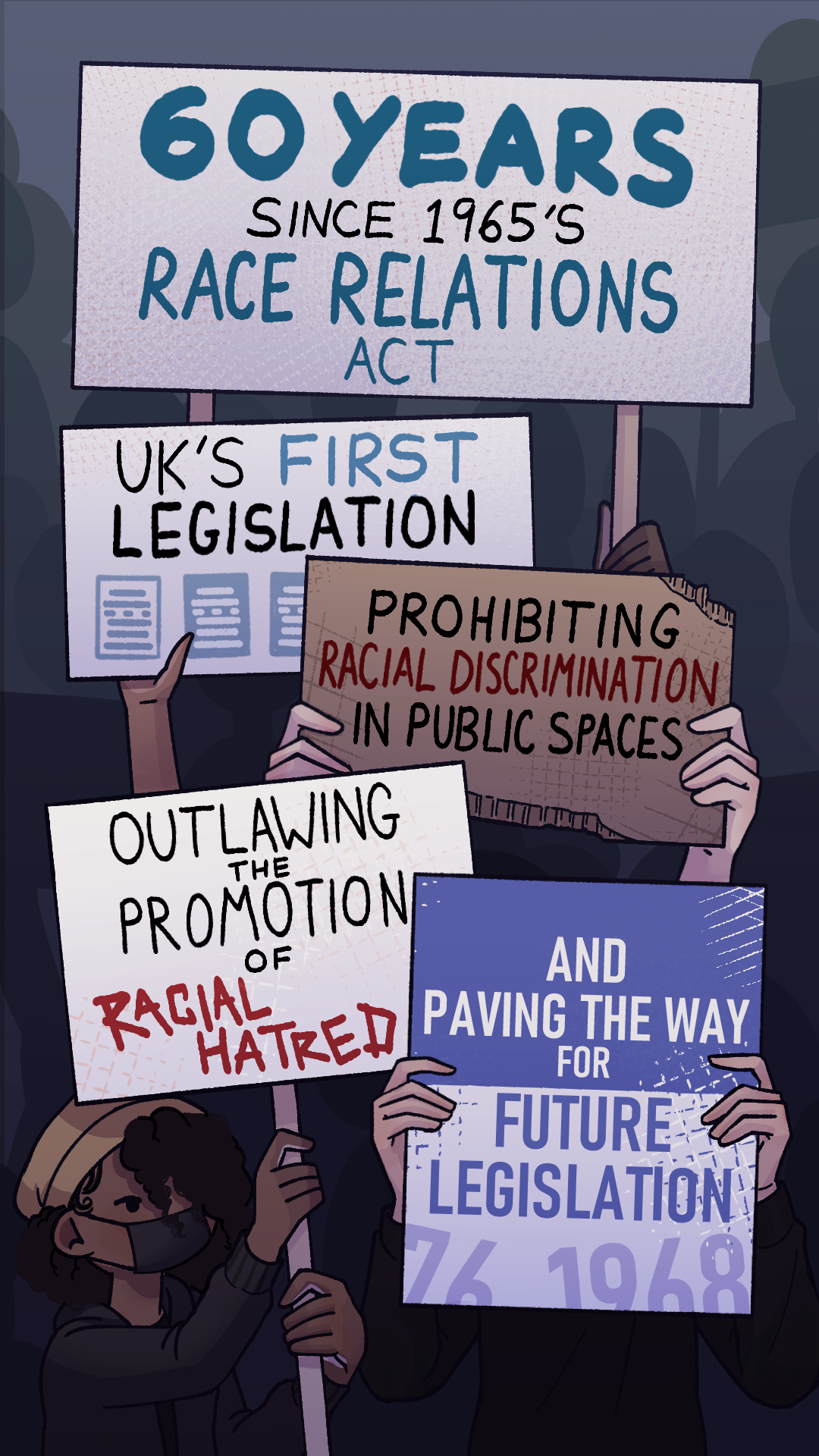
It’s the 60th anniversary of the Race Relations Act this year. The UK legislation was first brought in to ban racial discrimination and hate in public places back in 1965. It was subsequently amended in 1968, 1976 and 2000, each time extending the scope and responsibilities towards it.
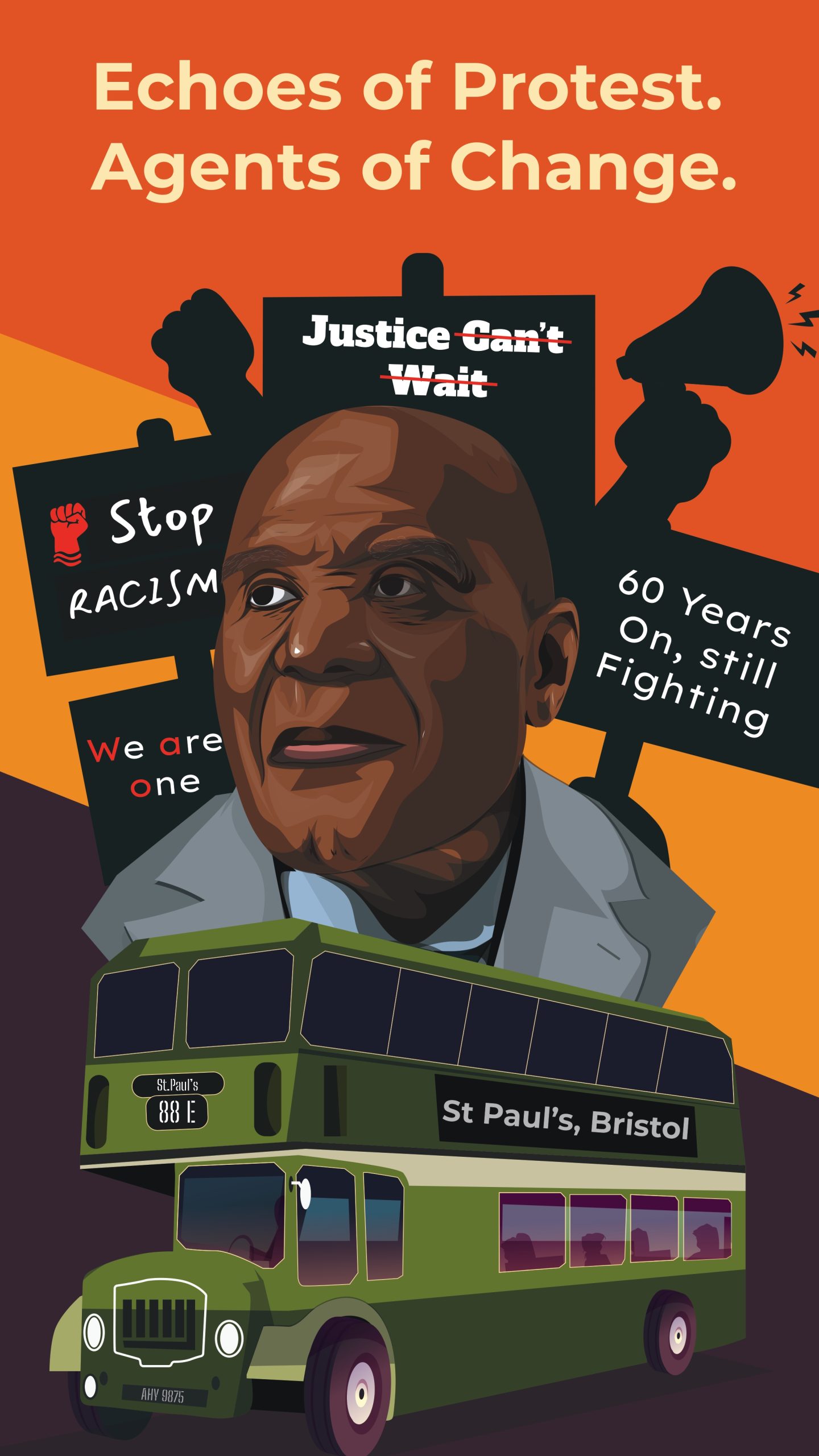
The 1963 Bristol Bus Boycott, has been credited for being part of the momentum pushing the act into existence. It put the city on the map for being a fundamentally important place in UK civil rights.
The bus boycott kicked off due to the refusal of Bristol Omnibus Company – and backed by the Transport and General Workers’ Union – to employ Black or Asian bus crews. Roy Hackett, Owen Henry, Audley Evans and Prince Brown with Paul Stephenson as a spokesperson founded the West Indian Development Council. The Council started the famous bus boycott, which lasted four months. This was how long it took for the bus company and union to back down, leading to a change in policy.
Sixty years later in 2025, Curiosity Un(Ltd) – a social justice think-tank – came together with Bauer Media Outdoor to run flagship campaign Bristol Bus Boycott 360. As part of a programme of events, a national Designs4Change competition was launched. It invited artists to submit work marking the anniversary. The winners would form an outdoor digital gallery seen by millions of people across the UK.
“Designs4Change is a movement for representation and resilience,” Julz Davis, Disruptor-In-Chief of Curiosity Un(Ltd) said.
“We’re not just creating art; we’re taking over public spaces to remind people of the history behind the Race Relations Act and the ongoing fight for change. We’re deeply grateful to all who entered and invite everyone to look for the powerful work of our ten winners on display until September 30th.”
Spokesperson for Bauer Media Outdoor, Martin Corke, said that they were “proud” to turn their screens into a national gallery, “elevating voices” that demand to be “seen and heard.”
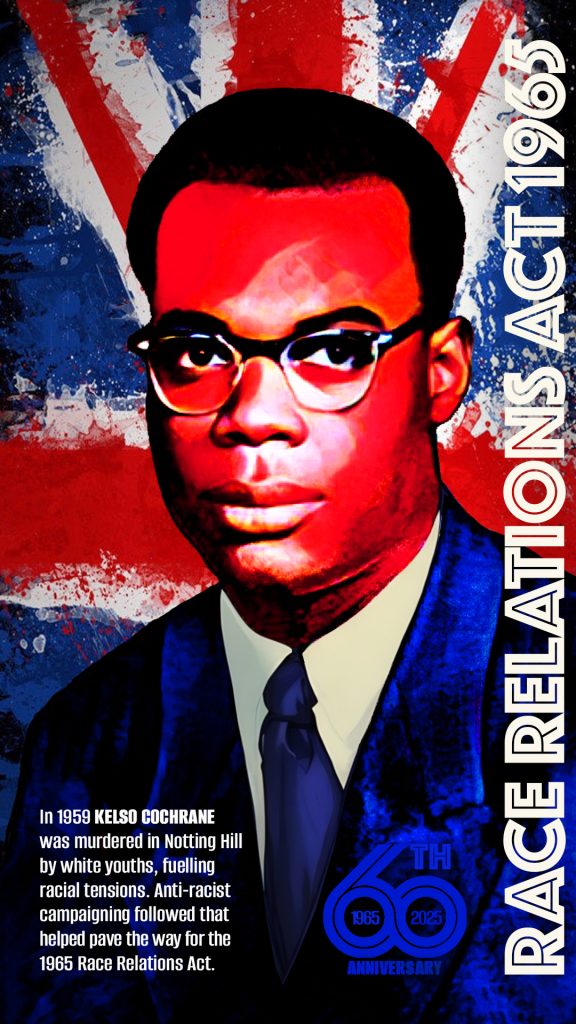
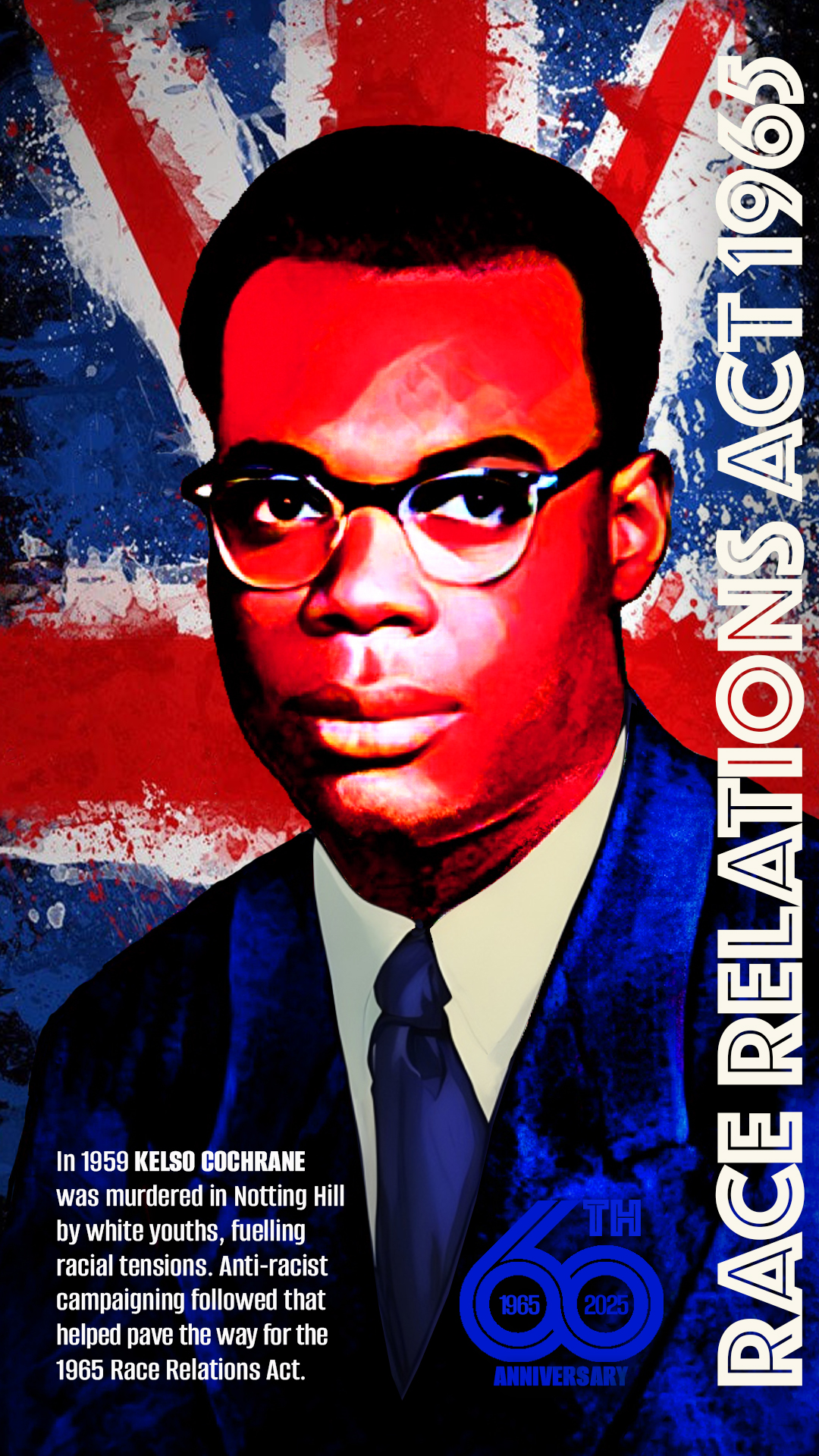
Another incident in the UK which paved the way for the 1965 Race Relations Act, was anti-racist campaigning following the murder of Kelso Cochrane in Notting Hill in 1959.
Multi-Disciplinary Creative Mervyn Weir is one of the ten winners. His artwork is dedicated to Cochrane. Failings in the investigation by the Metropolitan Police meant his murder was never solved.
Mervyn Weir and Megan Treacy’s artwork on the digital display at Cabot Circus Shopping Centre:
Artist Eireen Joao Castano from Southampton returned to the symbolism of the bus stop for her design.
She said: “My design, inspired by Richard Hooker’s ‘By the Bus Stop,’ celebrates the 60th Anniversary of the Race Relations Act. It uses the bus stop as a metaphor for Britain—a place where cultures and ethnicities mix every day, made possible by the Act and pioneers like Paul Stephenson.”
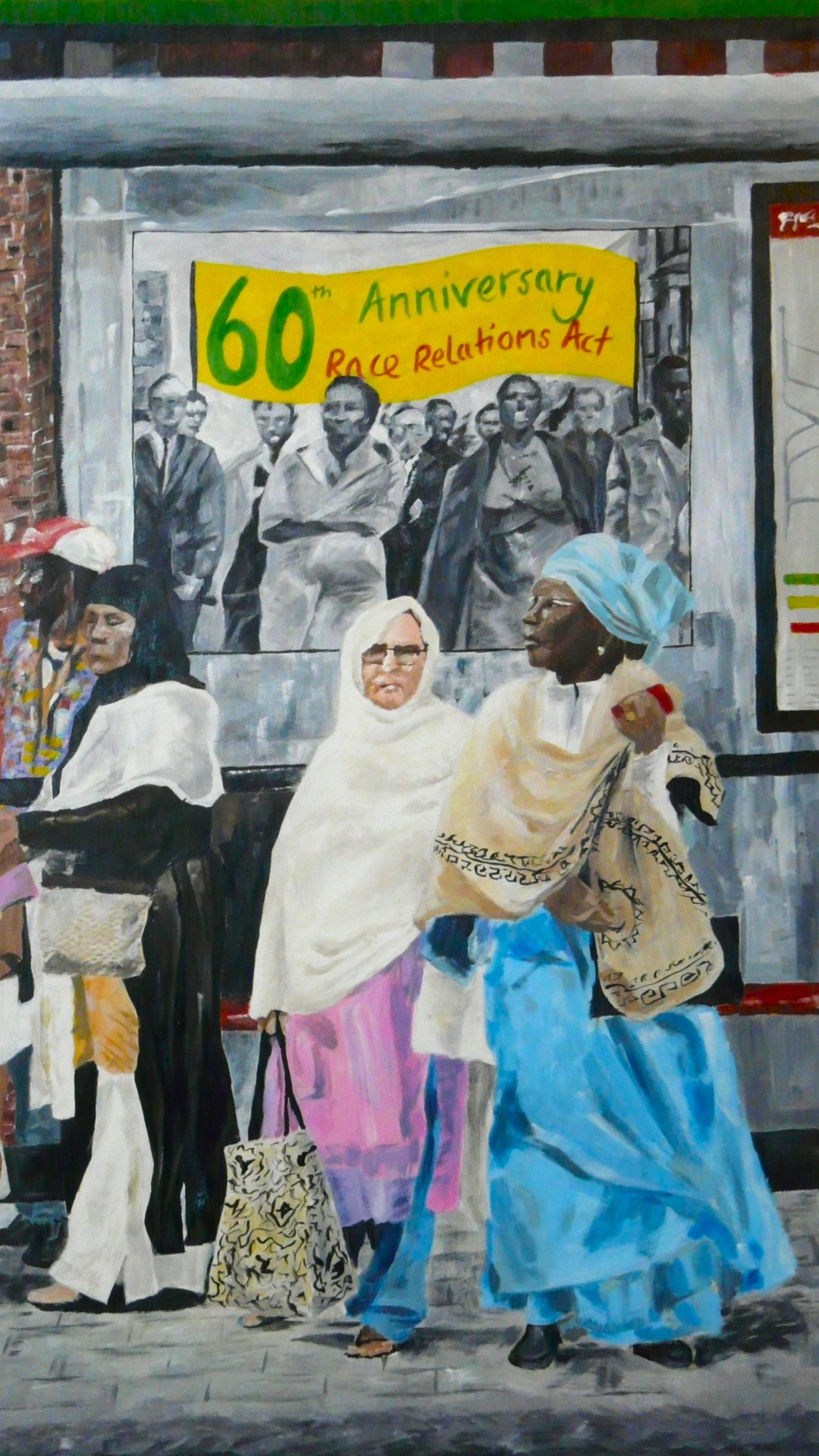
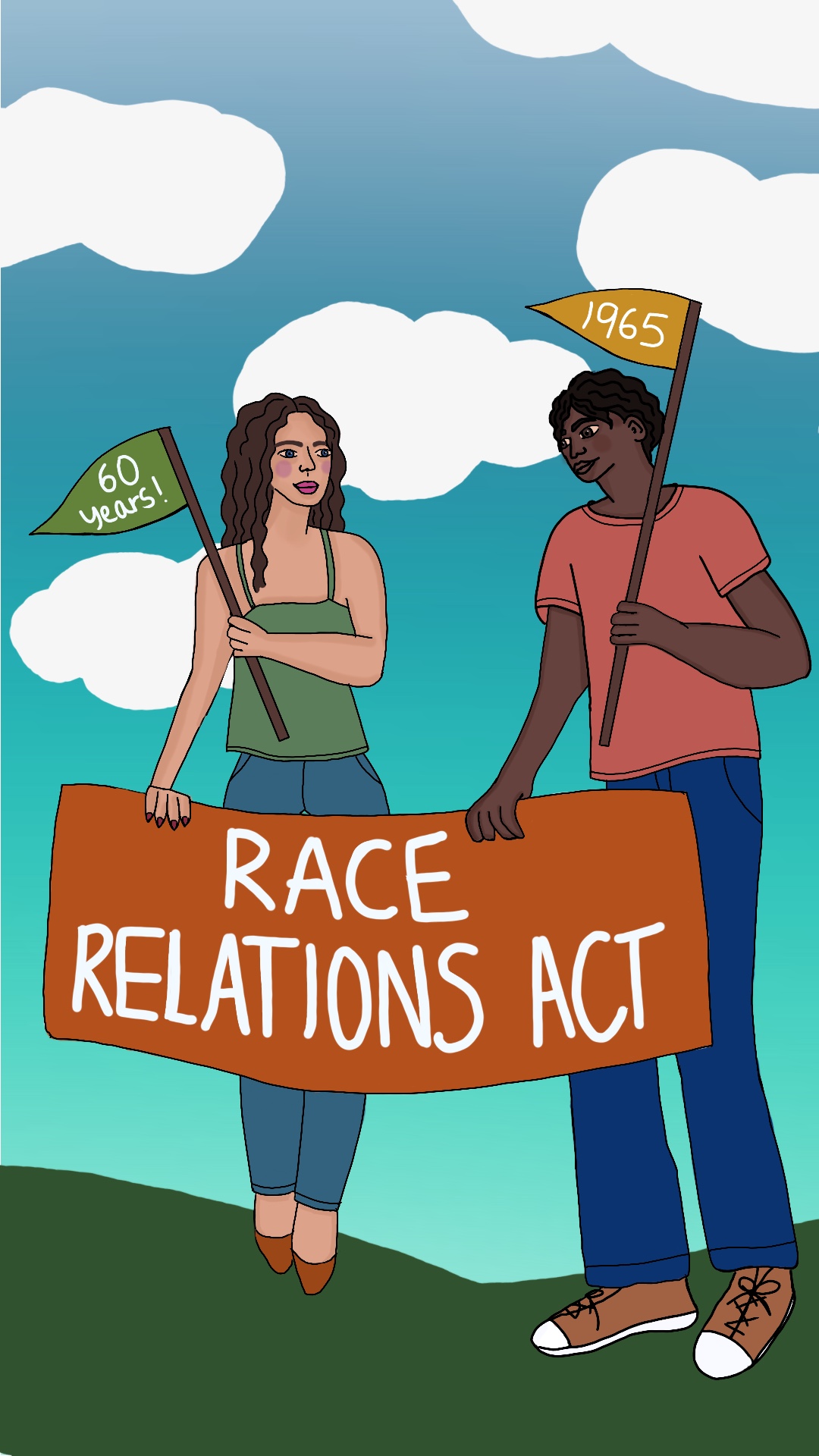
The ten winning designs that can be seen across the country are by the following artists:
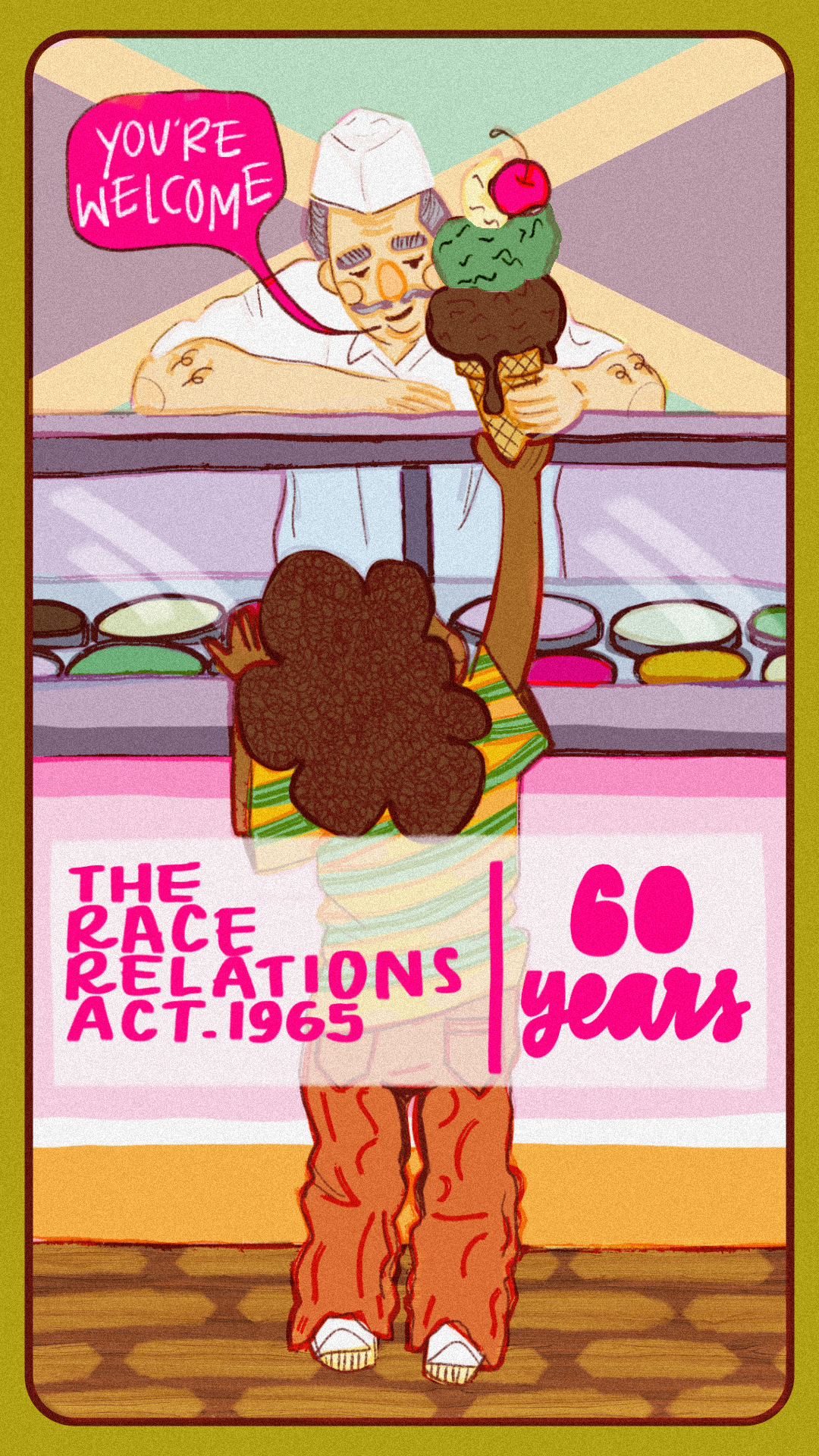
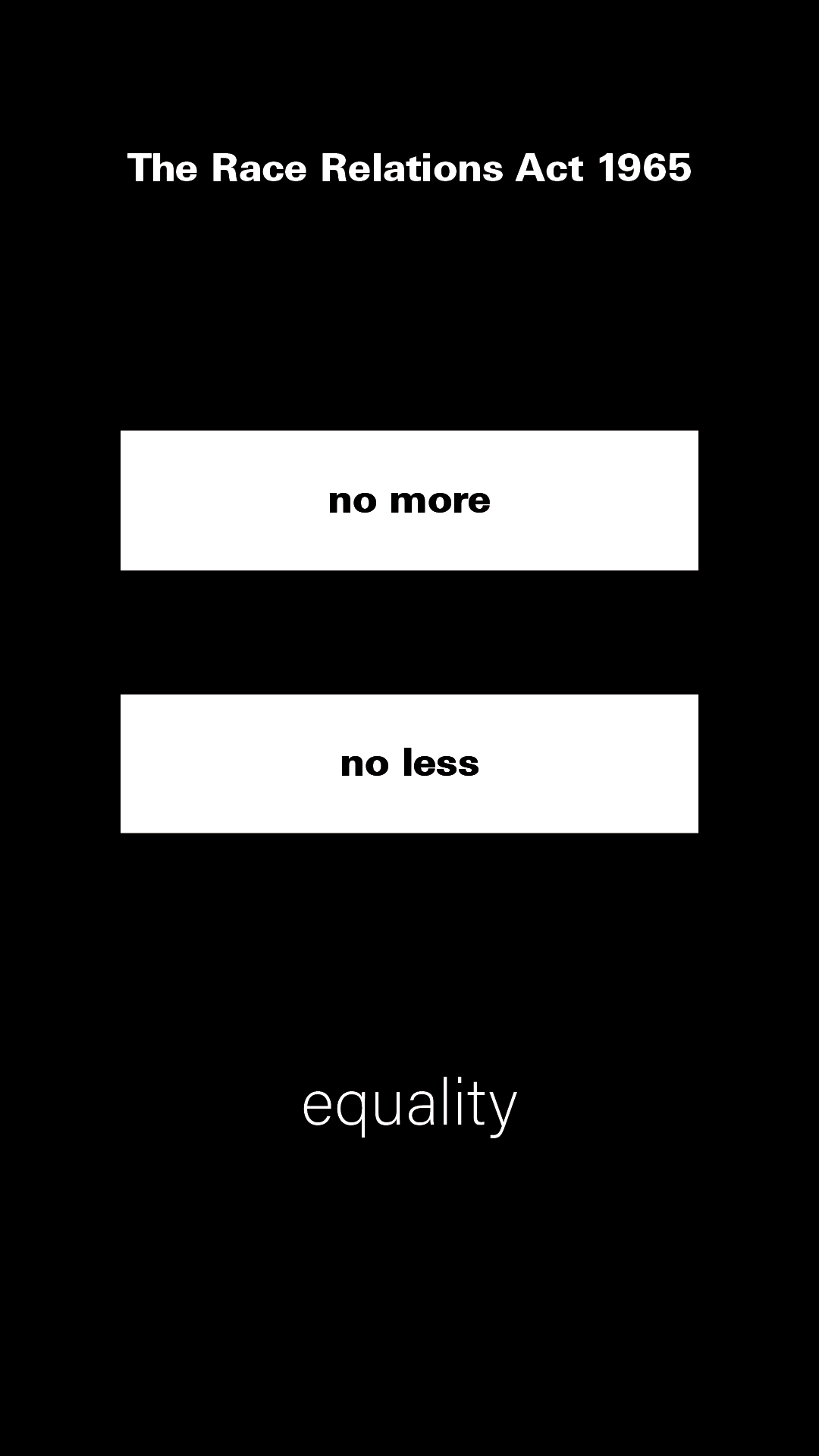
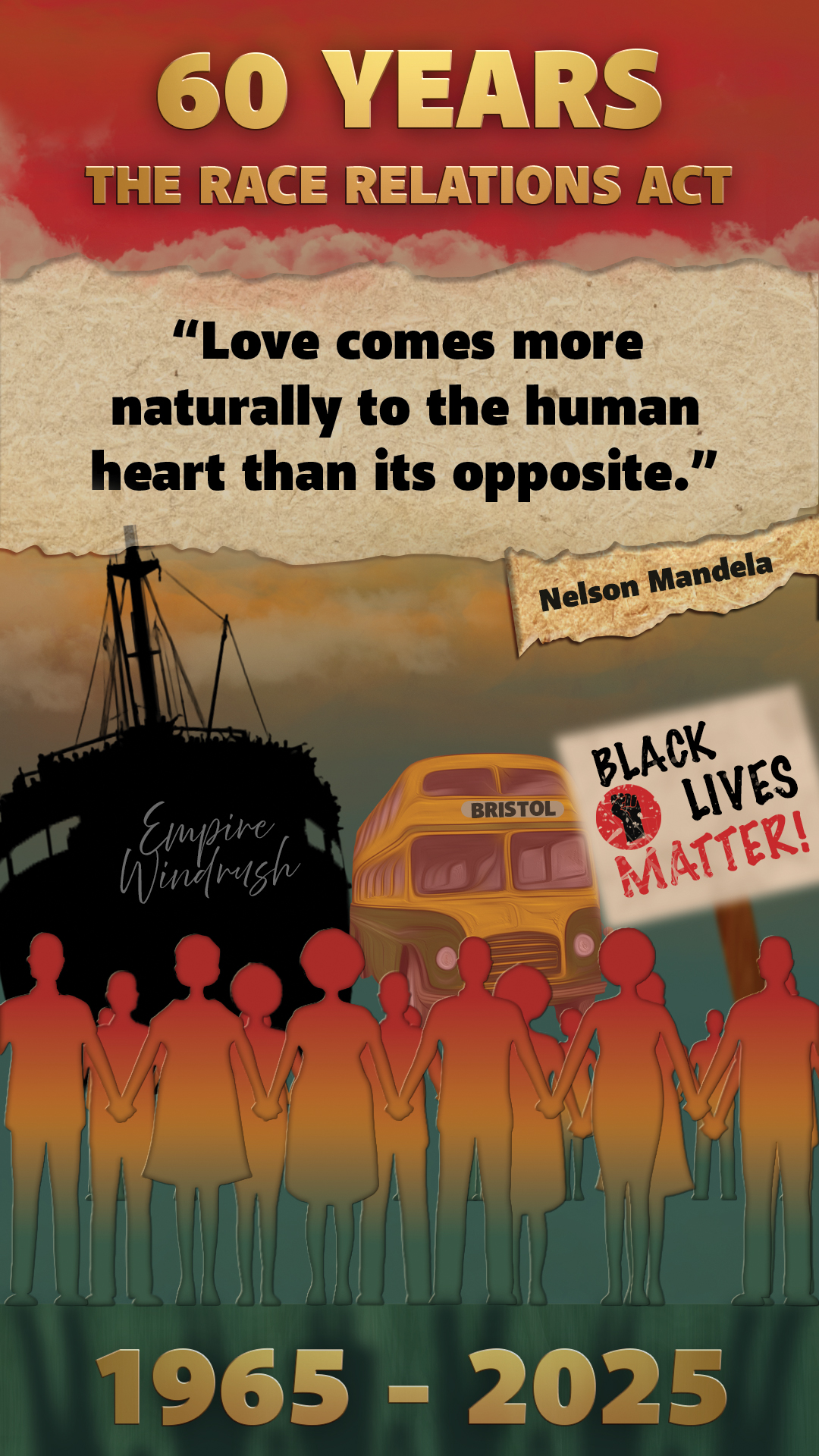


For more information, visit: www.CuriosityUnLtd.com
Home: https://backstagebristol.com/
Bluesky: https://bsky.app/profile/chopsybristol.bsky.social
TikTok: www.tiktok.com/@chopsybristoltt
Facebook: https://www.facebook.com/backstagebristol
YouTube: https://www.youtube.com/user/chopsybaby