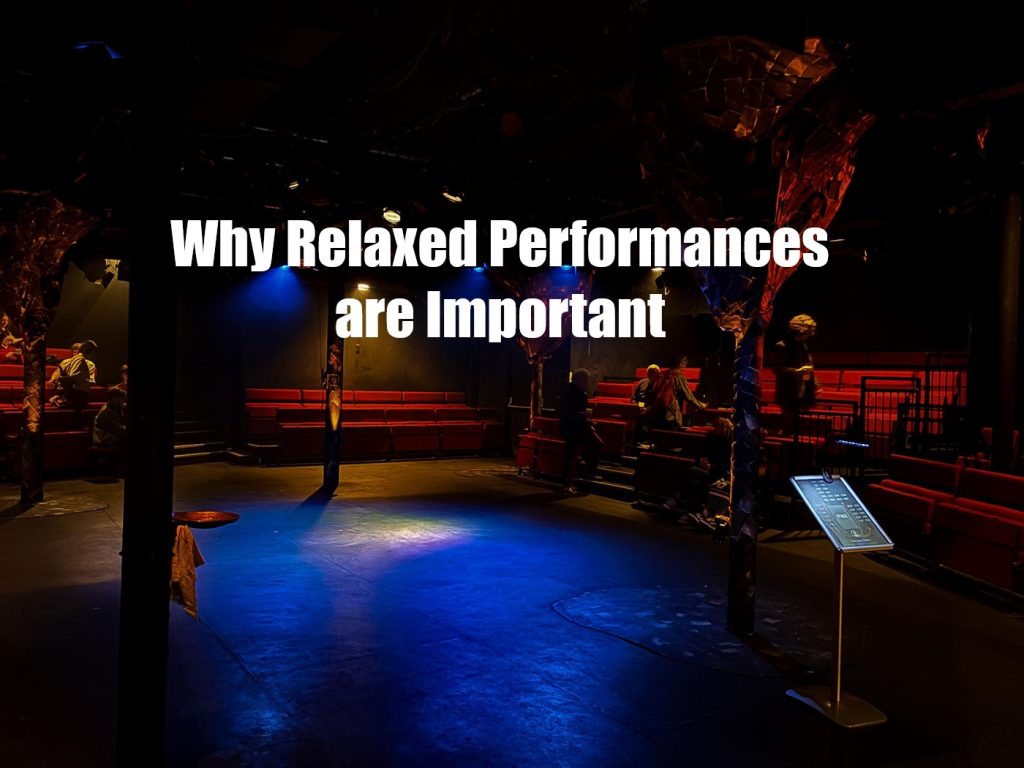
Why Are Relaxed Performances Important?
Relaxed Performances aren’t just a nice to have, they are vital for theatre accessibility
Relaxed Performances are versions of a show that have been specifically adapted for Disabled audiences. The changes are usually made for those who are neurodivergent.
This will see small changes made to sound and lighting to reduce the overload of sensory information.
House lights are often slightly raised and people are welcome to enter and exit the auditorium as needed.
The actors might come onto the stage and introduce their character and role before it starts. Sometimes they will explain more about specific aspects of the performance which might worry some audience members.
There are usually information packs and visual stories available to Disabled theatre-goers, alongside the standard accessibility information available on venue websites.
Some theatres offer both a Relaxed Performance and Chilled Performance.
A Relaxed Performance will see the theatre ‘rules’ during a show relaxed. Changes are likely to have been made to the performance production. This might be quieter sound effects. Perhaps changes to the lighting.
In a Chilled Performance, theatre rules are relaxed but the production remains unchanged.
Theatres often go to great pains to make sure that everyone attending a Relaxed Performance knows it is for these specific audiences.
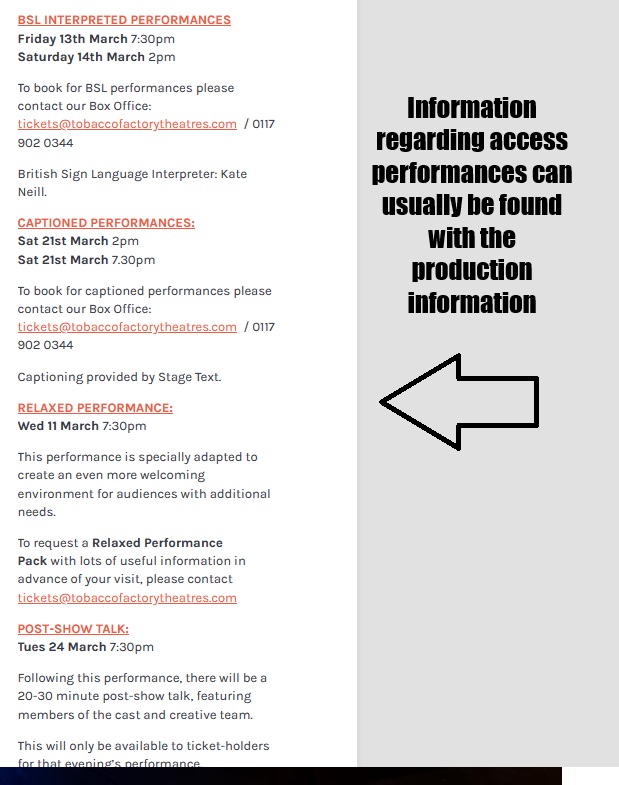
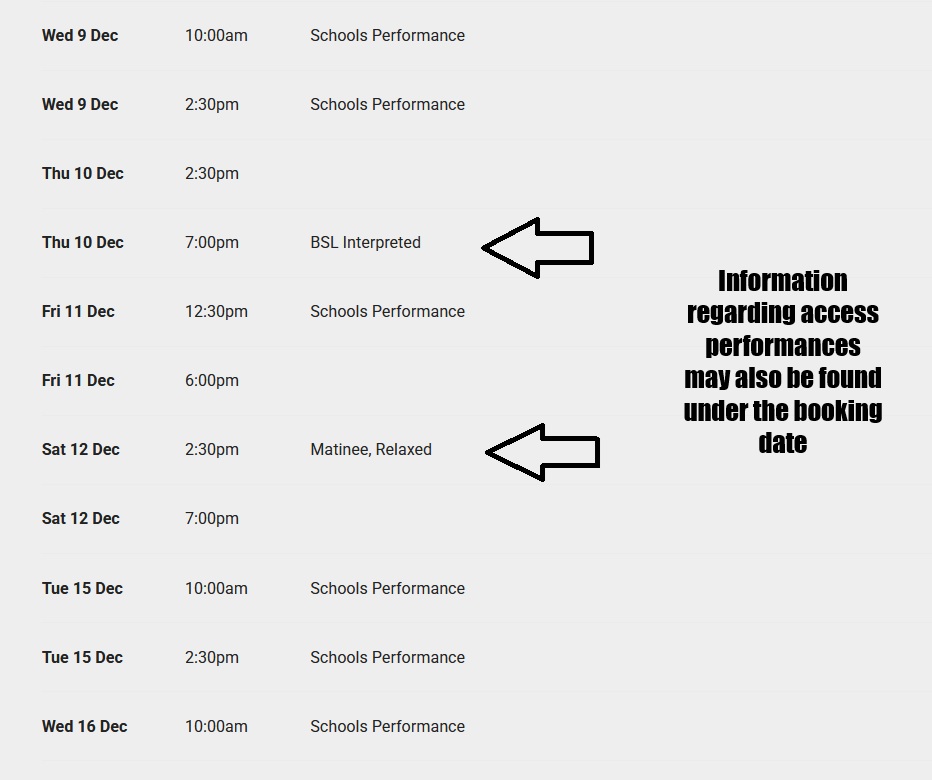
In Bristol, Tobacco Factory Theatres and Bristol Old Vic have included Relaxed Performances for all of their in-house productions for some years. This is in addition to Captioned and BSL Interpreted performances.
Though some London theatres and long-running shows in the West End have a limited number of Relaxed Performances, they are still a rarity.
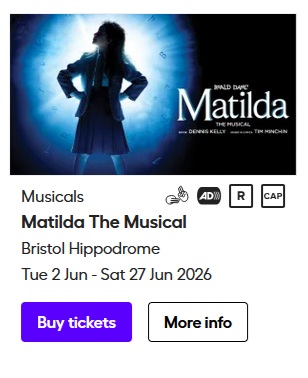
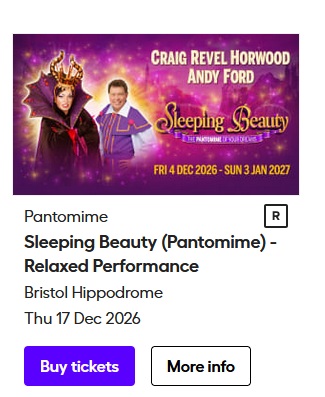
Touring West End shows usually don’t have Relaxed Performances at all. On the ATG Bristol Hippodrome website, there are currently just two shows offering a Relaxed Performance – Matilda The Musical and pantomime Sleeping Beauty.
So why does having Relaxed Performances matter?
The social contract of theatre audiences means that when watching a show no disruption is allowed.
It means sitting still, not making any sound, not fidgeting, not getting up and moving around or coming and going from the auditorium.
This can be really difficult for some Disabled and/or neurodivergent people. Particularly those with Learning Disabilities, ADHD, autism, PTSD, anxiety and Tourette syndrome.
People with chronic pain conditions can also find it difficult to sit in one position for extended periods of time and may also need to move around.
Sometimes it can be extremely overwhelming for neurodivergent people to attend busy places. In a theatre, this can involve queuing to get in, queuing for the toilet, queuing to buy a programme all whilst sometimes thousands of people move around them. Having to sit still throughout the show can be impossible.
The overwhelm might come from the performance itself. The noise. The lights. Even clapping and cheering.
Difficult content matter is why theatres have content warnings. These have been mocked in the media, but they can be vital for people who have experienced different types of trauma or bereavement.
Establishing a specific performance that gives people the ability to attend and freedom to enjoy a show in an environment that supports their needs is critical for inclusion. Not only does it allow people to attend theatre, it sets out that this performance is a safe space for them to do so without disapproval or challenge.
Sometimes people worry about potentially having tics, stims or other physical difficulties during the show. The anxiety of this can make things worse.
Knowing that its a Relaxed Performances can alleviate the anxiety surrounding this from the start. It may not happen during the show, but knowing that if it did and it’s not a problem can make it a much more relaxing experience from the off.
Not all theatres or long running shows have Relaxed Performances regularly or at all. But all venues must abide by the Equality Act 2010.
Check out the accessibility section of a venue’s website. Many will have resources that include information about the building, social stories, familiarisation videos and contact numbers or emails for further information.
Disappointingly, many venues insist on Disabled people signing up to the Nimbus Disability Access Card, which is yet another barrier for Disabled people attending the theatre. With a significant amount of publicity surrounding the scheme, it is hoped that venues will consider a move away from making Disabled people jump through hoops and sign up to paid schemes to attend live events that non disabled people do not have to do.
Home: https://backstagebristol.com/
Instagram: https://www.instagram.com/backstagebristol/
TikTok: www.tiktok.com/@chopsybristoltt
Pinterest: https://uk.pinterest.com/backstagebristol/
Facebook: https://www.facebook.com/backstagebristol
YouTube: https://www.youtube.com/user/chopsybaby